

It feels like I’ve spent more years attending virtual genealogy events than attending them in person.
That’s obviously not actually true. My first family history event was a Who Do You Think You Are? Live back in 2011 when it was hosted at Olympia, London, but I didn’t know of anyone else going. I think I arrived, whizzed round the hall, saw all the company stands, saw Monty Don’s interview, and then left about 2 hours later slightly jaded by the experience – as I’d really fallen out of love with tedious marketing conferences at about the same time. It wasn’t until trying it the following year – having organised myself beforehand to attend some talks, and had taken time to interact on Twitter with other attendees before setting off on the train, that I found I really enjoyed it. Fast-forward many years and as Covid-19 and waves of its variants continue to infect and bring misery to so many around the world, the world has shifted a lot to a more digital delivery service mode.
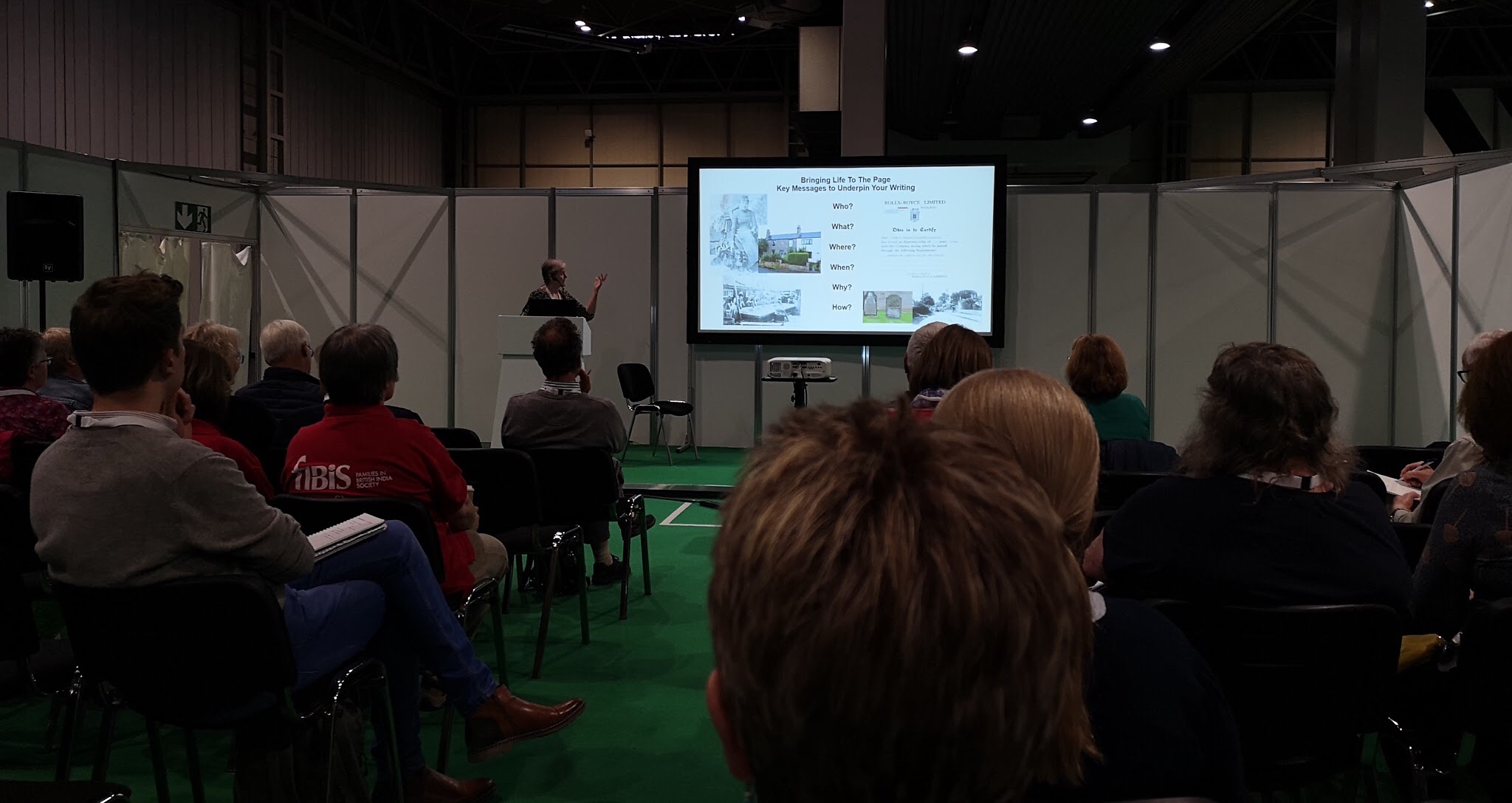
From those that I’ve attended physically in the past (Who Do You Think You Are? Live, THE Genealogy Show, The Family Tree Live, The Big Family History Show, and my local history group events), and virtually in the last few years, I am confident that the expertise shared by speakers via live streaming, or pre-recorded video, or slide recordings, remains just as flawless as when it was given in person. The event speaker schedulers have continued to do great work to find and book competent speakers.

Virtual versions have not quite felt the same though, as it’s harder for even the most confident and charismatic speaker to bond with an audience or to react to the audience when they’re sat alone talking into yet another Zoom video call without any response. It takes extra effort to deliver a talk with energy and enthusiasm to a zero or invisible audience, particularly if this is the 6th take because you fluffed a word, a cat puked in the background (I speak with experience), or that Amazon Prime delivery driver needed you to take in your neighbour’s parcel yet again.
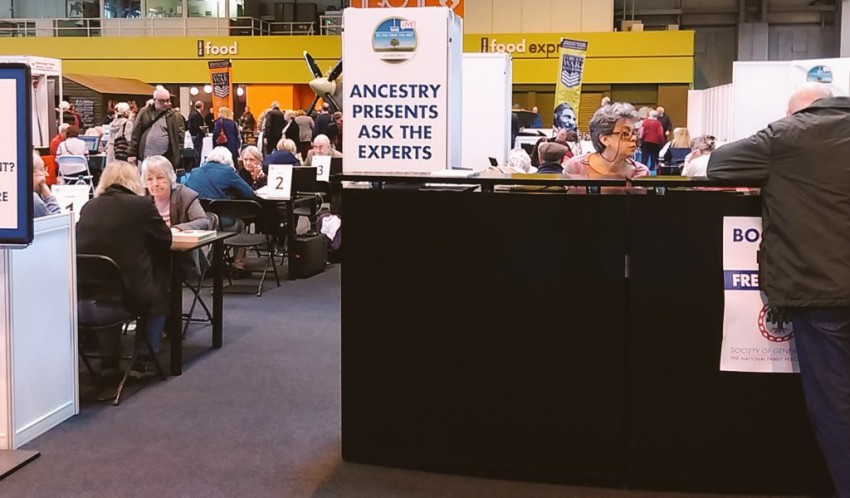
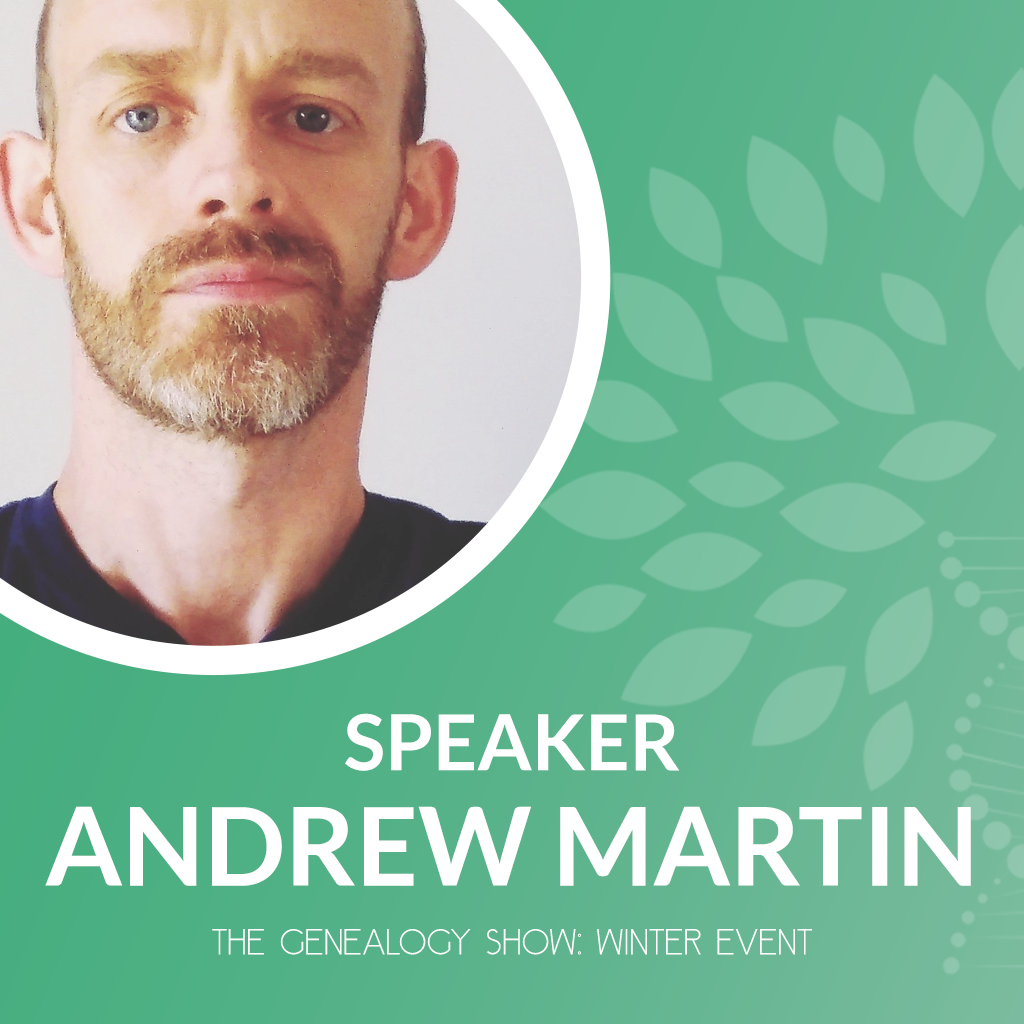
On the plus side though, the range of speakers and topics they deliver has suddenly opened up to provide a much wider range to event planners and attendees. Suddenly, experts were stuck at home either through their own choice or via multiple or long term enforced lockdowns around the world (I hear you China and Australia!), and this allowed events to entice speakers who they’d not been able to book before, whether because of geographical factors including timezones, or because they were some of the more familiar genealogy or history experts who were held captive by the same rules as the rest of us.
Whilst we’ve all seen the atrocities of war in Ukraine, you can look towards the brilliant work of Natalie Pithers and her geographically spread team of volunteers during the History For Ukraine live event that streamed on YouTube for an entire weekend. This range and volume of speakers was undoubtedly a huge achievement – and I can’t imagine how much effort went into bringing 24 hours of history together. Such a broad range of speakers and topics can only enrich our understanding and interpretation of historical topics and challenge or help us to learn more about the context in which our ancestors lived.
Of course, the digital events aren’t quite the same socially. I too got bored of the millionth Zoom quiz held by friends in 2020. Within my familiar ‘circuit’ of genealogy events I missed the impromptu ‘tweet-ups’ that used to happen during the conference day, or the sudden bumping into someone who looks vaguely like their twitter avatar and having that ‘is that..‘ and ‘are you…‘ awkward moments. Whilst efforts have been made by some shows like The Genealogy Show to incorporate community discussion areas and chat functionality with speakers or with the commercial stands, the magic of being in-person is somewhat lost.
With virtual versions of events now proven as technically possible – and how they have improved accessibility to those who are geographically, economically, or physically unable to attend in-person, what does this mean for in-person events in the future?
In an episode of The Family Histories Podcast from May 2022 titled ‘The Priest’ with Jill Ball, the aforementioned Australian genealogist, Jill, told me how the Lake Macquarie Family History Group had swiftly adopted online talks to its members and that she expects it will soon become more blended. I was pleased to hear that, and as a Committee member for The Littleport Society (a village community group), I know that our events stopped completely in April 2020 when Covid was devastating communities. Whilst we had one exhibition in July 2022, turnout was low, although there was by then a heatwave. Just prior to the pandemic arriving in the UK, I had signed up with MeetUp in a bid to reach out further with event promo – in a hope to get more attendees and perhaps some younger interest, but it proved pointless as events were discontinued, despite MeetUp’s regular attempts at trying to encourage me to keep the subscription going and switch to online events. The Society’s event attendance is small, and mostly elderly local people who receive the newsletter in print because they don’t have email.
Other organisations fared better, with The Cambridgeshire and Huntingdonshire Family History Society adopting a schedule of Zoom talks, and other groups including the Family History Federation arranging talks including the inaugural The Future of Genealogy – Young Genealogists at the Helm conference in collaboration with the Society of Genealogists, designed to help younger genealogists to openly discuss what the future should look like.
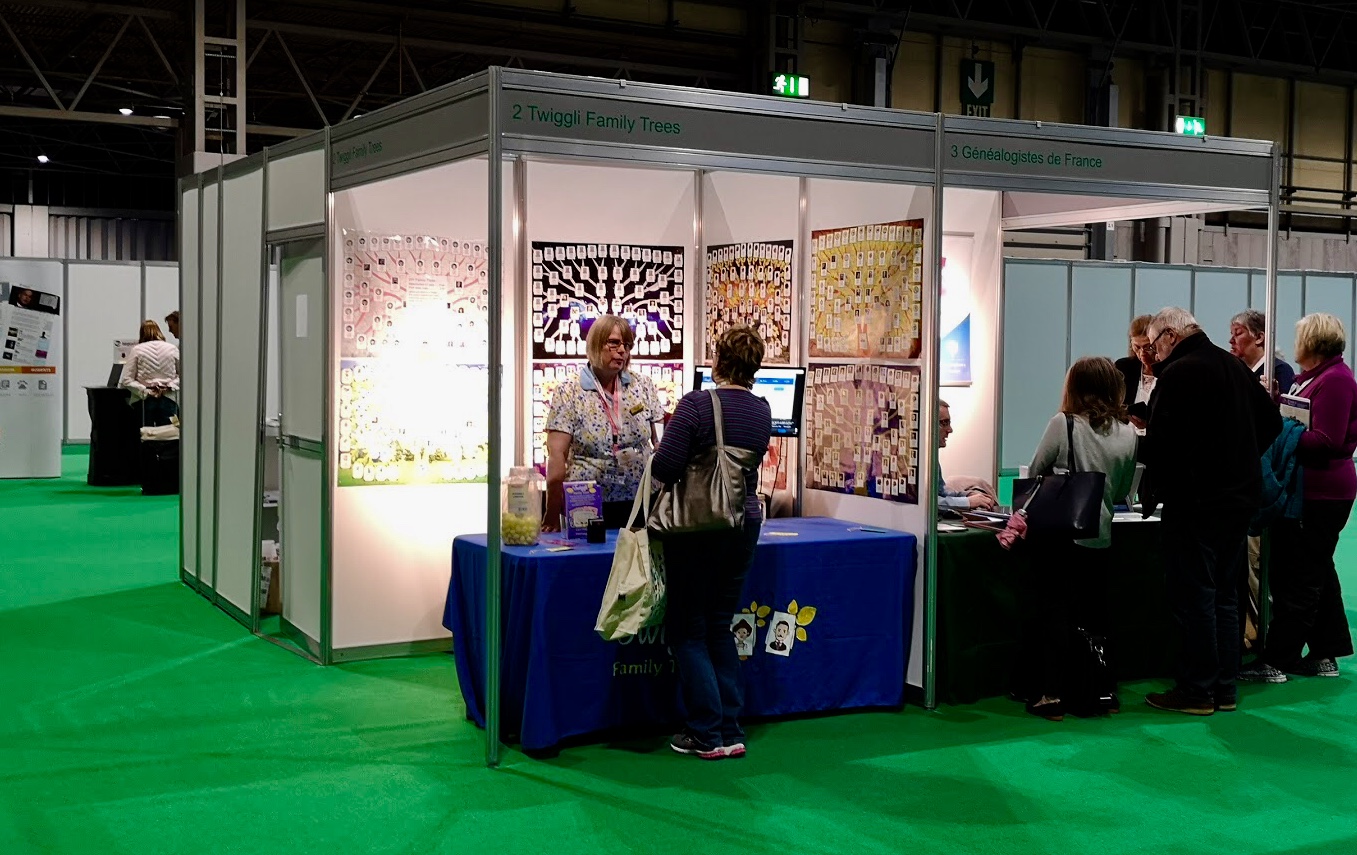
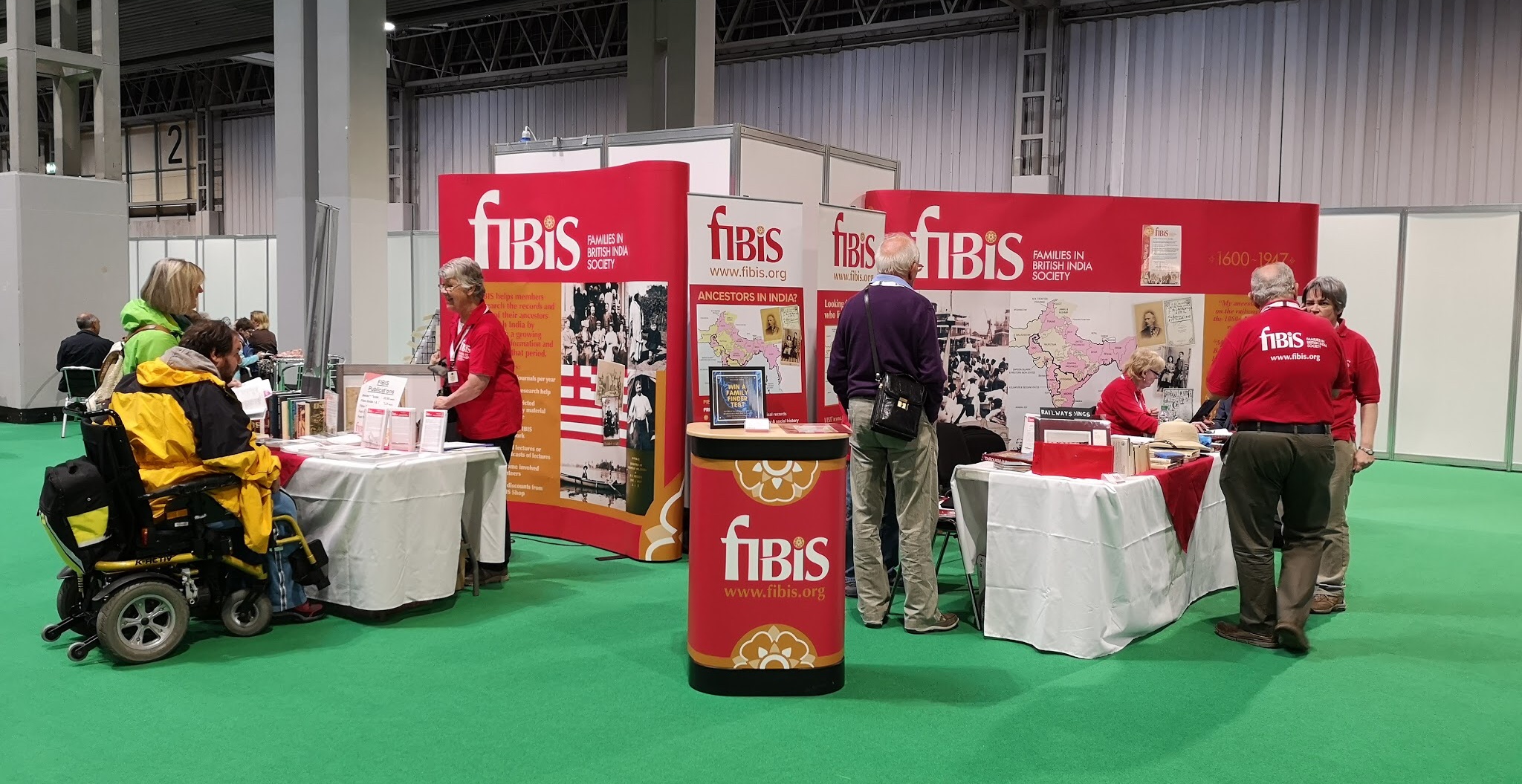
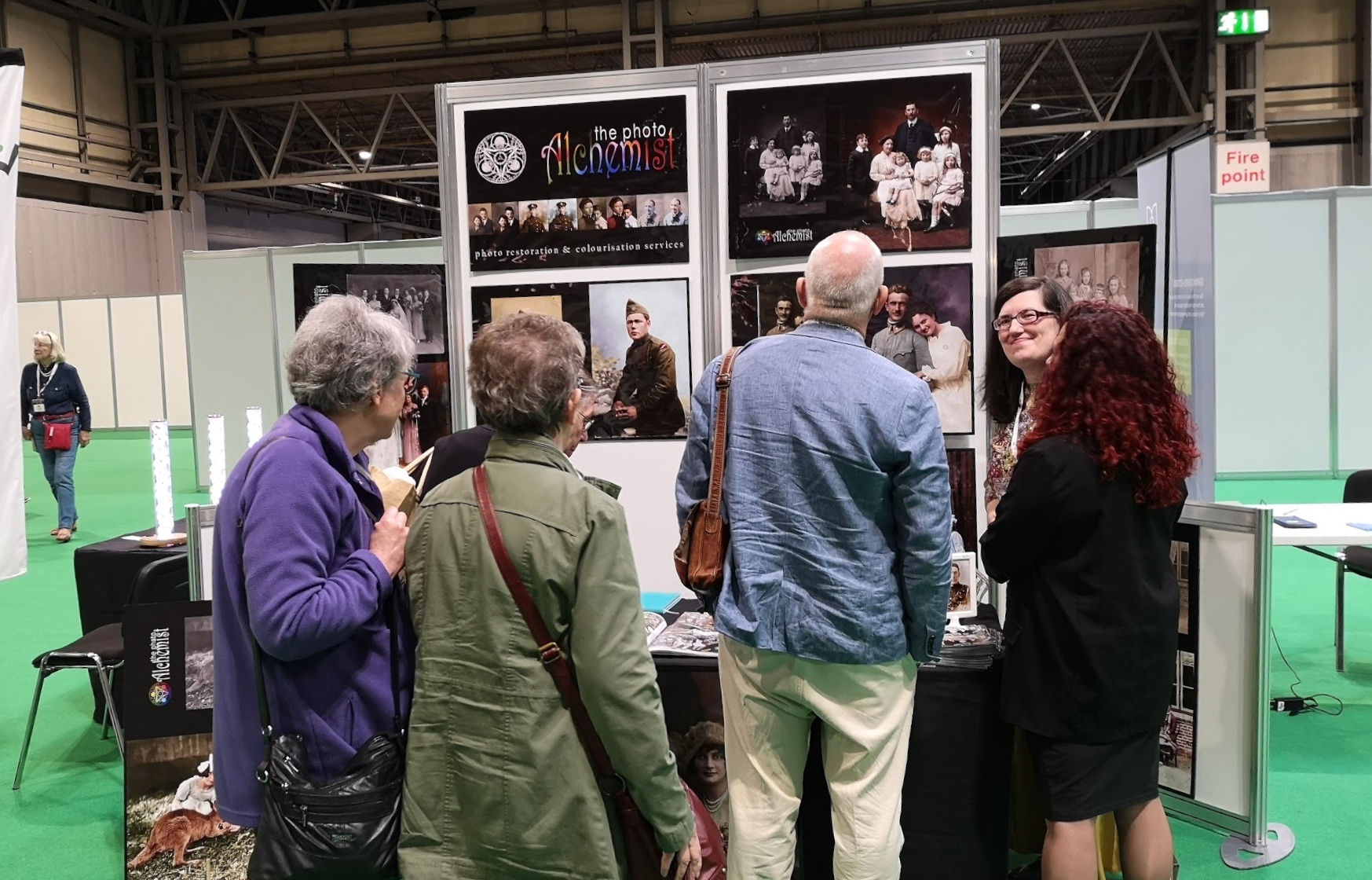
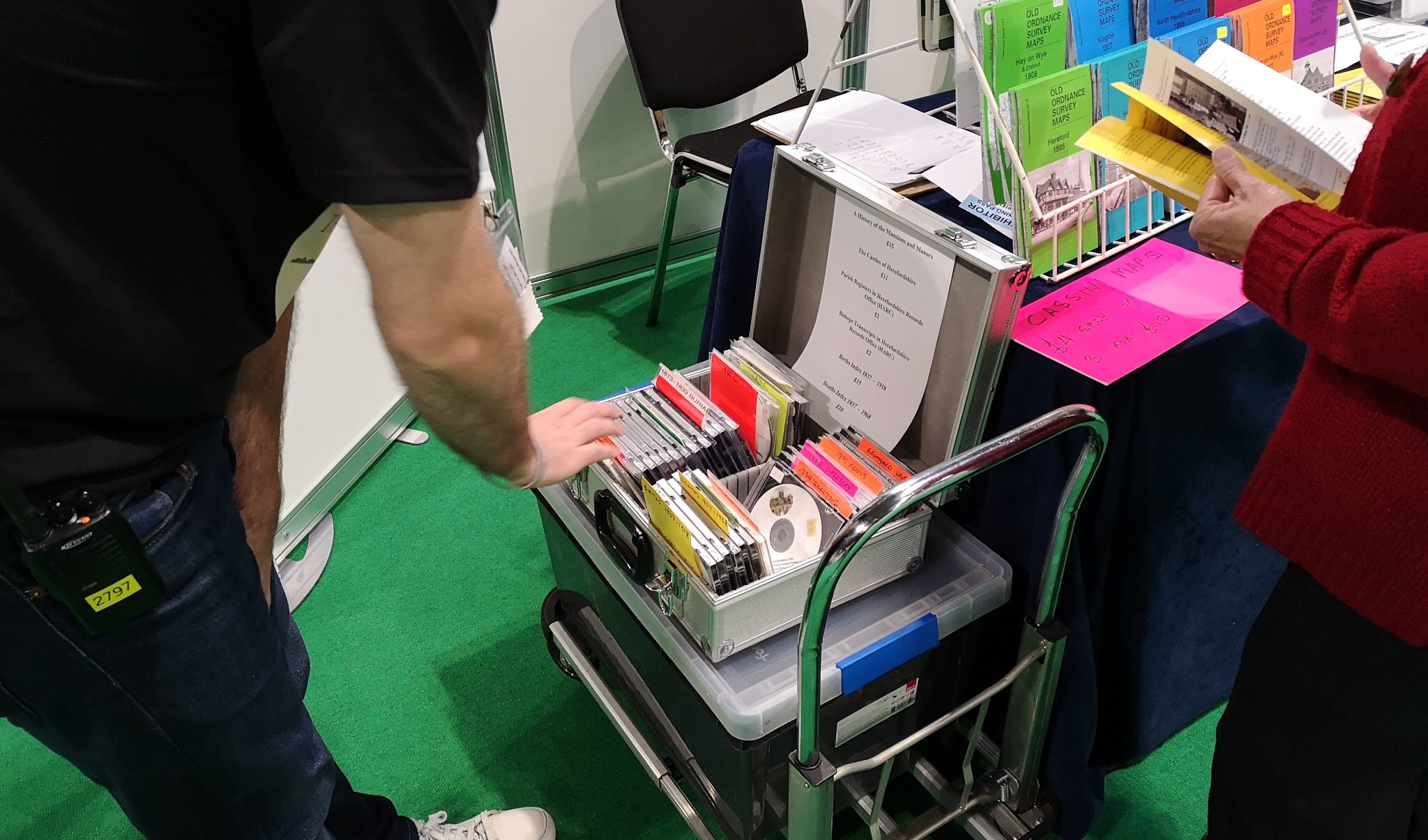
Of course, putting on a big digital or in-person and digital event doesn’t come for free. It costs money, and a lot of it. Venues, marketing, technology, staff, speaker fees etc etc, and so being able to attract sponsors and/or commercial stands in the show is crucial for covering costs whilst also drawing in some extra attendees looking for those elusive exclusive show discounts. Whilst the costs are perhaps higher for companies/organisations to physically attend, they will be better placed to attract people to interact with them – to browse, sign up, purchase, or just raise awareness. Whereas, if companies are relying on online users to visit you virtually, it keeps the costs down, but doesn’t make you as prominent.

I struggle a little to imagine how or why commercial organisations would pay for a virtual presence at a genealogy conference unless they are paying to get interval video ads, or promo imagery around the screen in which the lecture is being given. Those are expensive to make, and may well be ignored by users who have ‘ad blindness’ or ‘skip finger’.
Whilst I’ve been thinking about this for a while, this week THE Genealogy Show have posted an open letter to the genealogy community via their social media, stating their current state of play. It’s a difficult situation to be in. Their in-person show was great, and a worthy successor to the retired Who Do You Think You Are? Live shows, but what could make shows like theirs work both for attendees who want talks, experts, discounts, all for a good price, and companies who want foot-fall, costs covered, profits and sign-ups.
I’ve never attended a RootsTech, so I can only imagine how that long-established physical and virtual show copes with the same dilemma. Let me know what you’ve observed in the comments if you’ve been to one.
I am old enough though to know of a small sub-set of (mostly American) family historians who lived a second life in er… Second Life – an online virtual world, particularly Patty Roy of the Genealogy News podcast (under her nom de plume of Dinah Larkham). I think I tried Second Life for about a week in the mid 2000s, and spent most of the time trying to stop my character from just staring at the sky or the ground, then I fell off a cliff and landed in a yacht, where i got stuck forever until someone then started asking for sex in the chat function. I swiftly deleted my account and never returned. Perhaps Mark Zuckerberg’s middle-aged crisis aka Metaverse will bring the answer to blended online/offline worlds, and we genealogists can all be reunited in the cloud? Naah, I doubt it.
What do you think the future of genealogy events will be?
UPDATE:
Given the interest in this topic amongst the genealogy community, I have added a poll, running for 7 days on Twitter (from 23rd August) to see how people feel about their next big genealogy conference attendance.



 History Repeating